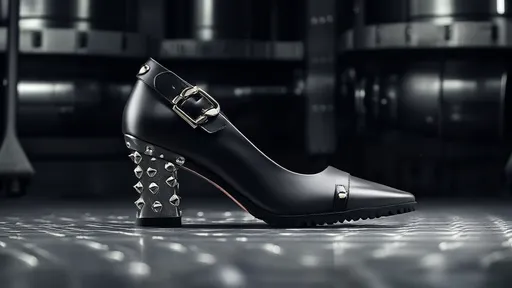
The fashion industry has long been criticized for its environmental footprint, but a new wave of designers is turning waste into wearable art. Among the most innovative developments is the transformation of discarded car tires into striking high-heel shoes. This unexpected marriage of automotive waste and haute couture is redefining what it means to walk sustainably.
Every year, millions of tires end up in landfills or illegal dumping sites, creating environmental hazards that can take centuries to decompose. Meanwhile, the global footwear industry continues to rely heavily on virgin plastics and non-renewable materials. The intersection of these two problems has birthed a radical solution: upcycling tire rubber into durable, fashion-forward shoe heels that make both an ecological and stylistic statement.
From Road to Runway
The process begins with collecting end-of-life tires from recycling centers and junkyards. After thorough cleaning and sterilization, the rubber undergoes specialized treatment to remove steel belts and other non-rubber components. What remains is a sturdy, flexible material perfect for molding into heel shapes. Designers then work with this recycled rubber to create everything from chunky platform heels to sleek stilettos, often combining it with other sustainable materials like organic cotton or plant-based leather alternatives.
What makes tire rubber particularly suitable for heels is its inherent durability and shock absorption. Unlike traditional plastic heels that can crack or become slippery, repurposed tire rubber provides excellent traction and withstands daily wear far better than many conventional materials. The textured patterns from the original tire treads often become design features, giving each pair a unique, industrial-chic aesthetic that tells a story of transformation.
The Environmental Impact
By diverting tires from landfills, these shoes help reduce a significant source of pollution. When tires decompose, they leach toxic chemicals into soil and water. Burning them releases dangerous fumes. Repurposing them into fashion items not only prevents this damage but also reduces the need for new plastic production. A single pair of tire-recycled heels can keep approximately half a car tire out of the waste stream.
The carbon footprint of manufacturing these heels is substantially lower than conventional footwear production. Processing recycled rubber requires less energy than producing new synthetic materials, and the transportation emissions are minimized when tires are sourced locally. Some brands have implemented closed-loop systems where customers can return worn-out shoes to have the rubber components recycled again into new products.
Challenges and Innovations
Working with recycled tire rubber presents unique challenges that designers have turned into opportunities for innovation. The material's density makes it heavier than traditional heel materials, prompting creative solutions like hollow-core constructions or strategic weight distribution in the shoe design. Some brands have developed proprietary blending techniques that combine the rubber with lighter recycled materials without compromising durability.
Another hurdle has been achieving consistent coloring, as tire rubber naturally comes in shades of black and gray. Rather than viewing this as a limitation, many designers have embraced the monochromatic palette, using it as a foundation for bold silhouettes and unexpected textures. When color is desired, eco-friendly dyes and surface treatments have been developed specifically for the unique properties of recycled rubber.
Consumer Response and Market Growth
Initially niche, tire-recycled footwear has gained mainstream attention as consumers become more environmentally conscious. What began as statement pieces for eco-fashion enthusiasts has evolved into commercially viable product lines carried by major retailers. The appeal extends beyond sustainability - many customers are drawn to the unconventional story behind the shoes and the industrial aesthetic that sets them apart from mass-produced footwear.
Price points remain slightly higher than fast-fashion equivalents but compare favorably to mid-range designer shoes. Consumers appear willing to pay this premium for the combination of sustainability, durability, and distinctive design. Some brands offer customization options, allowing buyers to select which part of the tire tread pattern features on their heels, creating a personal connection to the upcycling process.
The Future of Tire Fashion
As technology advances, we're seeing tire rubber used beyond just heels - entire shoe soles, handbag accents, and even jewelry are now being crafted from this versatile material. Collaborations between tire manufacturers and fashion houses are becoming more common, ensuring a steady supply of high-quality recycled rubber optimized for design purposes.
Educational initiatives are helping shift perceptions, demonstrating that sustainability doesn't require sacrificing style. Fashion schools have begun incorporating tire rubber into their materials curriculum, fostering a new generation of designers who consider circularity from the sketch phase. Meanwhile, viral social media campaigns have turned some tire-recycled heels into coveted collector's items, proving that eco-conscious design can drive desire.
This movement represents more than just a novel use of waste materials - it symbolizes a fundamental shift in how we view the lifecycle of products. By seeing the potential for high fashion in something as mundane as a discarded tire, these designers challenge us to reimagine the resources all around us. The result is footwear that doesn't just make an environmental statement, but makes it with every confident, sustainable step.
By /Jul 25, 2025

By /Jul 25, 2025

By /Jul 25, 2025

By /Jul 25, 2025

By /Jul 25, 2025

By /Jul 25, 2025

By /Jul 25, 2025

By /Jul 25, 2025

By /Jul 25, 2025

By /Jul 25, 2025

By /Jul 25, 2025

By /Jul 25, 2025

By /Jul 25, 2025

By /Jul 25, 2025

By /Jul 25, 2025

By /Jul 25, 2025

By /Jul 25, 2025

By /Jul 25, 2025

By /Jul 25, 2025

By /Jul 25, 2025
