The fashion industry stands at the precipice of a revolution, one that could redefine luxury while addressing growing ethical and environmental concerns. At the heart of this transformation lies cellular agriculture fur—a groundbreaking innovation that promises to deliver the opulence of traditional fur without the associated moral dilemmas or ecological footprint. Unlike conventional fur production, which relies on animal farming, this cutting-edge approach harnesses the power of biotechnology to grow genuine fur in controlled laboratory environments.
The Science Behind Cellular Agriculture Fur
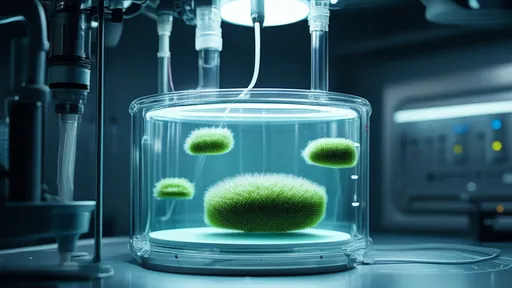
At its core, cellular agriculture fur leverages the same principles that underpin lab-grown meat. Scientists begin by isolating a small sample of animal cells, typically obtained through a harmless biopsy from a living creature. These cells are then placed in a nutrient-rich culture medium within a bioreactor—a sophisticated device designed to mimic the optimal conditions for cell growth. Over time, the cells multiply and differentiate, forming the complex structures that constitute fur.
What makes this process truly remarkable is its precision. By carefully controlling factors like temperature, oxygen levels, and nutrient supply, researchers can guide the cells to develop into specific types of fur, whether it be mink, fox, or even more exotic varieties. The result is a product that is biologically identical to traditional fur but created entirely without harming animals.
Environmental and Ethical Advantages
The environmental benefits of cellular agriculture fur are substantial. Traditional fur farming is notoriously resource-intensive, requiring vast amounts of land, water, and feed. It also generates significant greenhouse gas emissions and contributes to water pollution. In contrast, lab-grown fur drastically reduces these impacts. Studies suggest that producing fur through cellular agriculture could lower water usage by up to 90% and cut greenhouse gas emissions by nearly 80% compared to conventional methods.
From an ethical standpoint, the implications are equally profound. The fur industry has long been criticized for its treatment of animals, with many species subjected to cramped living conditions and inhumane slaughter practices. Cellular agriculture eliminates these concerns entirely, offering a cruelty-free alternative that doesn’t compromise on quality or aesthetics. For consumers who value both luxury and compassion, this represents a game-changing development.
Challenges and Future Prospects
Despite its promise, cellular agriculture fur is not without hurdles. Scaling production to meet global demand remains a significant challenge. Bioreactors are expensive to operate, and the process of growing fur is still slower and more costly than traditional farming. However, advancements in biotechnology are rapidly addressing these issues. Companies like VitroLabs and BioFluff are pioneering new techniques to streamline production and reduce costs, bringing lab-grown fur closer to commercial viability.
Another obstacle lies in consumer perception. While younger generations are increasingly open to alternative materials, some traditionalists may view lab-grown fur as inferior or "unnatural." Overcoming this bias will require robust education campaigns and transparent communication about the benefits of cellular agriculture. Early adopters in the fashion industry, including high-profile designers and brands, are already championing this innovation, which could help shift public opinion.
The Road Ahead
The potential of cellular agriculture fur extends beyond just replacing traditional fur. It opens the door to entirely new possibilities in fashion design. Imagine fur with customized colors or patterns grown directly into the fibers, or hybrid materials that combine the warmth of fur with the durability of synthetic fabrics. The ability to engineer fur at the cellular level could unleash a wave of creativity, allowing designers to explore uncharted territory.
As the technology matures, regulatory frameworks will need to evolve alongside it. Governments and industry bodies must establish clear standards for labeling, safety, and sustainability to ensure consumer trust. Collaboration between scientists, policymakers, and fashion leaders will be crucial in shaping a future where cellular agriculture fur becomes a mainstream choice.
In the grand tapestry of sustainable fashion, cellular agriculture fur represents a bold new thread—one that weaves together innovation, ethics, and elegance. While challenges remain, the progress made so far is undeniably promising. For an industry often criticized for its excesses, this could be the beginning of a more responsible and enlightened era.
By /Jul 25, 2025

By /Jul 25, 2025

By /Jul 25, 2025

By /Jul 25, 2025
By /Jul 25, 2025
By /Jul 25, 2025
By /Jul 25, 2025

By /Jul 25, 2025
By /Jul 25, 2025

By /Jul 25, 2025

By /Jul 25, 2025

By /Jul 25, 2025

By /Jul 25, 2025
By /Jul 25, 2025

By /Jul 25, 2025

By /Jul 25, 2025

By /Jul 25, 2025

By /Jul 25, 2025
By /Jul 25, 2025
By /Jul 25, 2025
