For travelers seeking an authentic rural experience in Hokkaido, few activities connect you with the island’s pastoral roots quite like hands-on milking at a working dairy farm. Across Japan’s northernmost prefecture, several family-run operations welcome visitors to roll up their sleeves and participate in this timeless agricultural tradition. These working farms offer far more than just photo opportunities – they provide intimate glimpses into Hokkaido’s thriving dairy culture through immersive activities.
The rhythmic pulse of farming life becomes tangible when you feel the warmth of a cow’s udder and master the proper squeezing technique under patient guidance. Unlike commercial petting zoos, these agricultural experiences maintain complete authenticity, with farmers demonstrating how morning milkings remain the heartbeat of their daily routines. Visitors quickly appreciate the skill involved in this deceptively simple task that has sustained Hokkaido’s pastures for generations.
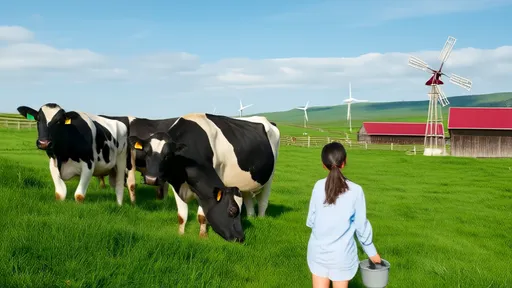
At Shirakaba Dairy Farm near Furano, third-generation farmers have perfected the art of balancing agricultural production with educational tourism. Their two-hour “Morning Farmer” program begins before dawn when the milking parlor buzzes with authentic activity. Participants don traditional rubber boots and aprons before learning to identify which teats to squeeze and how to maintain a steady, comfortable rhythm for the animals. The farm’s Holsteins, accustomed to gentle human interaction, often turn their heads to observe their novice caretakers with what seems like bemused tolerance.
Further east in the Tokachi plains, Green Ranch Obihiro transforms milking lessons into full sensory experiences. After mastering basic techniques in their spotless milking carousel – a far cry from romanticized images of stool-and-bucket setups – visitors taste the literal fruits of their labor. The farm’s on-site cheese workshop demonstrates how morning milk becomes afternoon mozzarella, with participants enjoying their handmade cheese alongside just-pressed raw milk. Agricultural staff emphasize the direct connection between humane animal treatment and superior dairy quality throughout the experience.
What makes Hokkaido’s hands-on milking experiences truly remarkable is their uncompromising authenticity. At Naganuma Milk Land, visitors work alongside actual farmers during real milking shifts rather than staged demonstrations. The farm’s commitment to agricultural transparency means participants witness everything from udder sterilization procedures to the quick health checks performed before each milking. This no-frills approach proves particularly popular with families, as children receive the same careful instruction as adults in handling the gentle giants.
Seasonal variations add another layer of depth to these agricultural encounters. Winter milking sessions at Biei Pasture occur in cozy, steam-filled barns where cows’ breath mingles with the crisp morning air, while summer visitors often help with the additional chore of cooling the animals before milking begins. The farm’s veteran staff explain how milk composition subtly changes with seasons and how their practices adapt accordingly – a masterclass in sustainable animal husbandry disguised as a tourist activity.
Perhaps most surprisingly, several farms incorporate cutting-edge technology into these traditional experiences. Hakodate Milk Village pairs hands-on milking with interactive exhibits showing how robotic milkers and sensors now assist (but never replace) human farmers. Visitors leave with profound appreciation for how Hokkaido’s dairy industry harmonizes timeless techniques with modern innovation to maintain its world-renowned standards.
These working farms measure their success not in Instagram tags but in the thoughtful questions visitors ask after participating in the milking process. When guests suddenly understand why certain cows respond better to specific techniques or how milk temperature indicates animal health, the farms’ educational missions are fulfilled. The tangible connection formed during these brief but meaningful encounters – human hands on warm udders, shared moments of concentration, mutual respect between species – lingers long after the milk gets pasteurized.
Practical considerations for visitors include wearing comfortable farm-appropriate clothing that can withstand inevitable splashes and understanding that most milking experiences occur during very early morning hours when dairy operations naturally take place. Reservations are essential at all locations, as group sizes remain intentionally small to ensure quality interactions. While language barriers sometimes exist at family-run farms, the universal language of careful instruction and bovine behavior transcends vocabulary limitations.
For those willing to wake before dawn and work alongside Hokkaido’s dairy farmers, these milking experiences offer rare insights into the prefecture’s agricultural soul. The farms maintain delicate balances between welcoming tourists and preserving authentic operations – a testament to their commitment to both education and responsible animal husbandry. When your hands finally produce that first steady stream of warm milk into the pail, you’ll understand why Hokkaido’s dairy tradition remains among the world’s most respected.

By /Jul 25, 2025

By /Jul 25, 2025
By /Jul 25, 2025
By /Jul 25, 2025

By /Jul 25, 2025
By /Jul 25, 2025

By /Jul 25, 2025

By /Jul 25, 2025

By /Jul 25, 2025
By /Jul 25, 2025

By /Jul 25, 2025

By /Jul 25, 2025

By /Jul 25, 2025

By /Jul 25, 2025
By /Jul 25, 2025

By /Jul 25, 2025

By /Jul 25, 2025
By /Jul 25, 2025
By /Jul 25, 2025

By /Jul 25, 2025
